How to Meet People While Traveling Alone
I had a good view of the old town, a cold beer and the window seat. Everything I wanted. But I was looking at a table of backpackers over there, ordering rounds and laughing and it wasn’t right. Not sad, exactly. Just hollow.
I think there’s a feeling that’s very much like loneliness, but not quite, that’s something that almost every solo traveller will know, that it’s there and right there, if it will be there. The top opportunity cited by solo travelers in the Klook Global Solo Travel Survey is loneliness, with 49% stating that they are the number one worry when traveling alone. It is not something that you should be embarrassed about. You’re just human.
The positive news is, it’s not a personality matter, it’s a problem of situation. If you’re in the right setting, the connection will come easily. If you don’t stick to the right one, then even the most extroverted among you will have to call room service for the fourth night running.

The Fastest Way to Meet People
Weakly in a social hostel, arrive at an offered strolling tour, download GAFFL or Meetup before you arrive. This will serve as the initial 48 hours. However, if you’re staying longer, you’re an introvert, an older traveller or simply looking to do more than other backpackers, the rest of this article has the details.
Where You Stay Changes Everything
This is the greatest lever that many don’t use. The difference between staying in a private hotel room and a social hostel dorm is not only the price, but the social aspect of your trip as well.
The hotel rooms are designed to be private. Hostels are the place to mix.
A social hostel should have a communal kitchen, a bar or lounge, and some sort of social event, such as a communal dinner, a pub crawl or a city tour. Go to any of them and you’ll find someone. It’s virtually certain, as everyone is in the same situation.
There are some brands that have developed their hostel image on this. Selina operates co-living and co-working spaces all over Latin America, Europe and Southeast Asia, which are integrated with community events. In Southeast Asia, Mad Monkey is a group trip organiser, and is renowned for its fun. Throughout Europe, Generator Hostels can be found to suit the party and socialise crowd. The Social Hub (originally called The Student Hotel), is more in-depth towards longer-stay digital nomads with structured programs.
If you desire a private room, many of these accommodations have shared areas where the mixing occurs. As soon as you arrive in a new city, stay in a dorm room (it’s just one!) and get the lay of the land and have a few contacts before moving to a quieter place.
The cost of hostel dorm beds is $8 to $30 per night in each area and it is the lowest social strategy found.

How to Meet People in a Hostel
- Place down your bag, go to common area, sit in the center (not a corner).
- Put your cell phone in your pocket for 20 minutes or longer.
- Turn to someone that is close by and ask them a simple question, like “Have you eaten yet?” or “Did you just get here?”.
- Take advantage of a board that has an organized event and sign up for one as soon as possible.
- Have breakfast in the hostel. Everyone is getting oriented in the morning, and they are open to talking with others.
- Offer something simple, such as a request to go and have something to eat about 7 o’clock: “I’m going to be grabbing food around 7 — anyone want to come?”
- Don’t go to your room after 1 conversation. Wait for a couple hours.
Free Walking Tours: The Underrated Social Hack
A free walking tour is a group city tour that is led by a local guide and is conducted at a walkers pace but takes 2-3 hours depending on how much tip the guide asks for. It’s a pay what you want at the end, fairly $10-$20 at the end.
They can be found in nearly every city. There’s a free walking tour if there is a tourist infrastructure in: Prague, Medellín, Bangkok, Lisbon, Cape Town, Tokyo. The big actors are platforms such as GuruWalk, Sandeman’s New Europe and Free Tours by Foot.
The format takes care of the rest of the story as to why they’re so great at meeting people. Walking in a loose group (2+ hours). Standing side by side with strangers at monuments. The guide will ask questions and/or encourage discussion. After hour two, you’ve had 6 micro conversations that you didn’t start.
Once the tour is over, the simplest thing to do is to ask the person you’ve been conversing with if they want to get a coffee. It’s a natural transition.

Apps That Are Actually Worth Using in 2026
There are still lots of articles about apps that were introduced 3 years ago. Now, the facts:
| App | Best For | Cost |
|---|---|---|
| GAFFL | Easily find travel companions for shared trips | Free / Premium |
| Travello | Social network for backpackers and nomads | Free (new in 2026) |
| Couchsurfing | City meetup events (not only accommodation) | Free / Premium |
| Meetup | Local events and interest group meet-ups | Free / Premium |
GAFFL deserves some more special mention, for it does something that none of the others does: it allows you to post a trip itinerary, and find somebody who wants to share it — and the costs. Have a road trip with them around New Zealand? Post it on GAFFL and find someone who is driving in the same direction and share the rental car. That cost angle really makes people get in touch, and that means that the interaction is usually of better quality than it is likely to be in a random social app.
GAFFL also has a multi-step verification system (social media, phone number and government ID), creating a higher level of trust than other options.
Even if you do not want to stay with a host or host yourself, the meetup events of Couchsurfing are indeed worth using. Couchsurfing Meetups happen in most big cities, either in a bar or a café or outside and are open to everyone and are an interesting mix of locals and travelers. The meetups still function, although the community has grown a bit and the app has mixed reviews.
Meetup is the workhorse that’s not widely known. Not travel-specific, but that’s what makes it great for meeting locals, anyway. Research the city you are traveling to before you get there and find running clubs, photography walks, language exchanges, board game night, or whatever you’re interested in. Attending an event where no one travels, but you are the only person there, isn’t a bad way to get local connections.
Also Read: Solo Travel Safety Tips For First Timers
What to Actually Say (Conversation Starters That Work)
Not mentioned openly, this is a lack. Here are some questions that will likely get a genuine answer:
- “What are you doing after school?”
- “Are you here for the first time or have you been previously?”
- “Have you just returned from [nearby destination]? I’m attempting to decide if I should head out or not.”
- “I don’t know what to eat here, do you have some tips?”
- “How long have you been out on the road?”
Pay attention to the similarities of these: they call for stories, not yes/no answers. They indicate that they are interested, but not desperate. They’re all interrelated by the context, which is travel and so they never feel constrained.
Teaching body language is important as well. When you sit with your arms crossed and are reading your phone, you’re invisible. That’s all the body language formula: one earbud out, open posture, occasional eye contact.

Introverts: You Actually Have an Advantage
Hear me out. Aside from some very little travel resources geared towards the introvert, there is definitely a case to be made for structured social settings being more introvert friendly than extrovert friendly.
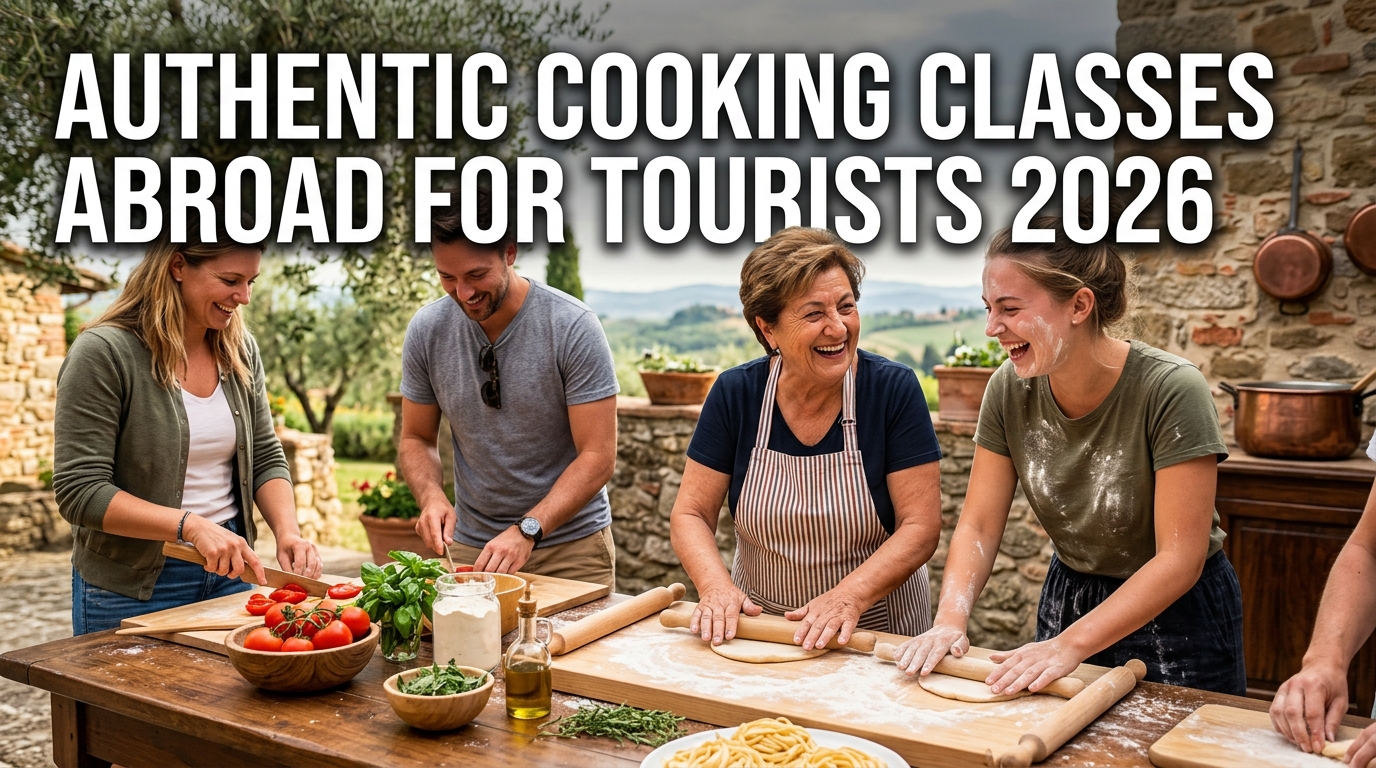
It’s OK for extroverts to approach a stranger in a bar. However, there are cooking classes, free walking tours, language exchanges and volunteerism, all of which have inherent structure that eliminates the cold open altogether. There’s a common project, a natural reason to be with someone and there’s a natural conversation because you are doing something together.
Worldpackers and Workaway are great for the introvert type — they will be put in a group of a few people working on something useful. The key is to have the framework, and then make the connections.
If you are an introvert and want to travel alone, then you need to avoid the scene of dinners in the hostel bar. Go to a cooking class. Register for a small group day tour. Participate in a language exchange activity. You’ll have more effective interactions with less work.
Meeting Locals (Not Just Other Tourists)
Other travellers are readily available. But the efforts of local residents are more required and more memorable.
The best ways:
- Language exchanges: There are language exchange apps such as Tandem and HelloTalk and language exchange meetups listed in Meetup, which will let you practice English with someone who wants to practice his or her language in return. The format is a “no time like the present” kind of thing.
- EatWith: Connects travelers to people hosting meals in their homes. You turn up, have a meal, pay and have a dinner party with strangers who live there. Not to be found in all places, but when it is, it’s really special.
- Local sports and fitness: CrossFit, run or join in with a running club, join a local martial arts class. When everyone is actually physically involved, there’s a lot of normal awkwardness saved.
Community events: Neighbourhood festivals, street market, religious events, Sunday gatherings at the park. They are free, open to all, and a much more accurate reflection of real life than any paid tour.

How Your Trip Length Changes the Strategy
It’s a topic that’s hardly addressed, but has a big impact.
- 2-night stopover: You have no time to construct anything. Choose one area of interest (free walking tour or social hostel dorm). Accept that you will have good conversations, not friendships, and that’s alright.
- 5-10 days: Time to get connected with something. Sign up for Meetup and find events 2-3 days in advance. Try to learn a language through a language exchange. Have one group take part in an experience that is like a cooking class or day trip.
- 2+ weeks or longer: It’s time to invest. Join a regular activity (weekly language exchange, a longer volunteering session with Worldpackers or HelpX, or a regular running club). If you’re a digital nomad, you’ll find established digital nomad communities in cities such as Bali, Tbilisi, Lisbon or Medellín. Selina sites frequently serve as community centres and have scheduled activities.
Where It’s Easiest to Meet People
Some places have more facilities to connect solo travelers than others.
Southeast Asia (Bangkok, Chiang Mai, Hanoi, Ho Chi Minh City) is most likely to be an easy region. The backpacking route is well worn, the number of backpackers’ hostels is plentiful, shared transportation — sleeper buses, boats — abounds, and the group activities are inexpensive.
Eastern Europe (Prague, Krakow, Tbilisi, Budapest) offers very thick walking tour and free tour cultures, very low-cost social hostels and a very active Couchsurfing meetup culture.
Whether it’s Medellín, Cartagena, Playa del Carmen or Buenos Aires, Latin America is well-equipped for backpackers and has a very friendly local culture. Salsa classes, local festivals, are social catalysts that are available to any visitor.
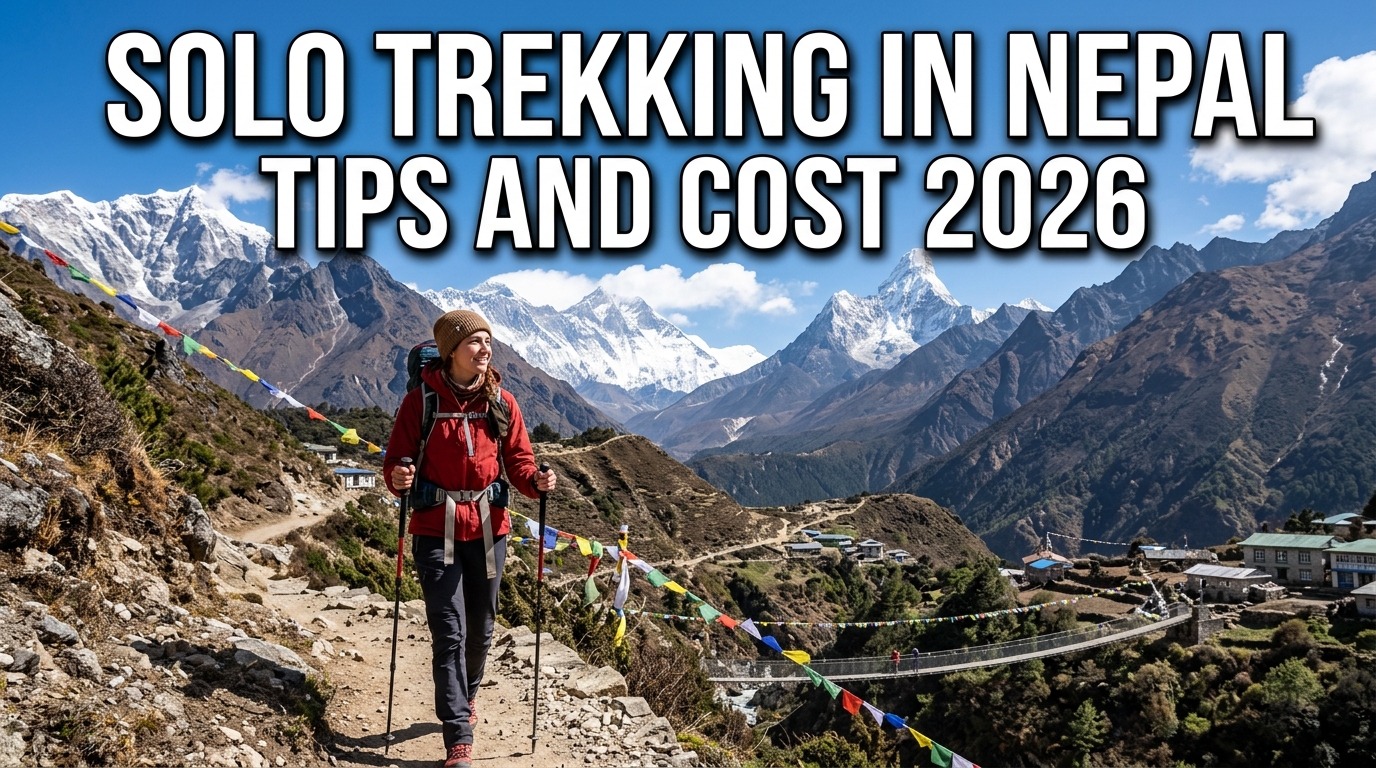
Long-distance trails are the least known. These walks, such as the Camino de Santiago in Spain, the Annapurna Circuit in Nepal, the Lycian Way in Turkey, etc., have communities of walkers all heading the same way at the same speed. The daily cycle of walking and staying in the pilgrim hostels of the Camino (albergues) and the teahouses of the Annapurna (as well) engenders a sort of connection that is difficult to find in any city in the world.
Age 35 and Over: What Changes, What Doesn’t
The tips mentioned above are all applicable for all ages. However, there’s a slight reworking of execution.
Party hostels are too exhausting for people in their 30s, 40s or 50s. That’s fair. Find small, independent hotels, co-living or people looking for longer-term stays — they’re older, more serious about it and no one is throwing keegs.
If you’re older, InterNations is worth downloading for you, as it organises professional expat events in 400+ cities, where there are people older than 30. A bit older, too, is the traveler who chooses to rent co-working spaces such as Selina or joins local digital nomad groups that frequently are found on Meetup or Facebook Groups websites.
The above mentioned Camino de Santiago is quite wide in terms of age. There will be ample opportunity to engage in conversation with a 60-year-old walking alone! On the trail, age doesn’t exist like in a hostel bar.
Safety: A Real Framework, Not Generic Advice
While the old school approach of “trust your gut” is good advice, it’s not enough. This is a more functional structure:
- First meeting: always public. A coffee shop, a pub, a mall. Never a stranger’s house for your initial date with an online acquaintance.
- Verification matters. There are different levels of trust for apps. GAFFL will need phone, social media and government ID. There is a reference system for Couchsurfing. There’s nothing like random Facebook group meetups. Take appropriate precautions.
- Share your plans. Send a text message to a friend at home: “Meeting [name] at [place] at [time].” Leads to accountability on both sides and takes just 20 seconds.
- For female travelers traveling alone: Hostel bedrooms that accept female guests only are available at many of the top hostels and can be a good option to book if you don’t want to have a risk calculation. As for traveling solo, there are apps for women, such as Travel Ladies and Tourlina, which have features for the safe woman traveler, including contact emergency numbers and a traveling checklist. There are two community-based options that have a good reputation for member verification: the Girls LOVE Travel Facebook group (over 1 million members) and Host A Sister.
These days, finding a place to stay is more complicated when it comes to couchsurfing — the views and opinions of the solo traveler community are split, and a few experienced female travelers have begun to advise against it. The meetup events are still pretty pleasant.
Common Mistakes That Keep Solo Travelers Isolated
- Taking a private hotel room and realizing no one is talking to you. This is the most obvious, but most common.
- To approach solo traveling as a list of activities. When you’re on your feet from monument to monument you can’t afford to be mistaken. The connections take place in the quiet moments — an hour at the café, a stroll.
- The whole approach to the use of apps. The event or persons are found by apps. They are not a substitute for going to somewhere and being there.
- Giving up after the first mistake. Initial communications tend to be forced. It’s usually easier to hold the second meeting. Give it a day.
- Being with people of your own country only. It’s comfortable. It also can win the majority of the point.
FAQs
Do You Have No Trouble Meeting Others When Traveling Alone?
It relies primarily on your decisions about where you live, what you do and where you are socially. It’s really easy if you are staying at a hostel or are on a group tour. With a private hotel room and headphones in it, it’s almost impossible.
What Are Some Tips for Introverts to Make Friends on Their Own?
Avoid “cold” social settings (such as hostel bars and venues) and seek organized activities (cookery schools, free walking tours, language exchange programs, small group day trips, volunteer opportunities). The activity itself is provided as the ice breaker, simply show up.
Which Is the Most Suitable Single Traveler Meeting App 2026?
GAFFL is the best way to find actual travel buddies: it verifies users and pairs those traveling the same route. Meetup is the most suitable one for local events. Travello and Backpackr are pretty good for the backpacker community in particular.
Should Couchsurfing Be Used in 2026?
If the event is a meetup type event: yes. In most of the cities, the community events are still on going and available to attend, free of charge. In the case of accommodation hosting, the opinions of the solo travel community have changed from positive to cautious, which is especially true of solo female travelers.
How Do You Interact With Locals and Not Just Other Tourists?
Language exchange events (Tandem, Meetup), EatWith dinners, neighborhood sports clubs, community markets, neighborhood festivals. These are a little more demanding, but will give different connections from the hostel circuit.
What Are Some Ways of Keeping Friends From Travel?
Change Instagram or WhatsApp at the moment — email addresses get lost. Follow up within 48 hours, referencing to anything that was discussed. The ones that remain are the ones that you worked to keep!
Is It OK if You Eat at a Restaurant Alone While You’re Traveling?
No, just about everyone does it when they travel. Wherever possible, sit at a bar, or at a communal table; it’s much easier to have a conversation at a communal table than at a single table in the corner. This is especially suitable for counter seating, like at local markets and ramen bars.
When Traveling Alone, How Do You Overcome Loneliness?
Accept it, don’t push it down — it will typically go away sooner. Then engage in an active activity: visit a hostel communal room, join a Couchsurfing meet tonight, go for a walk to a coffee shop with communal seating. The other factor is inertia. Small movement helps.