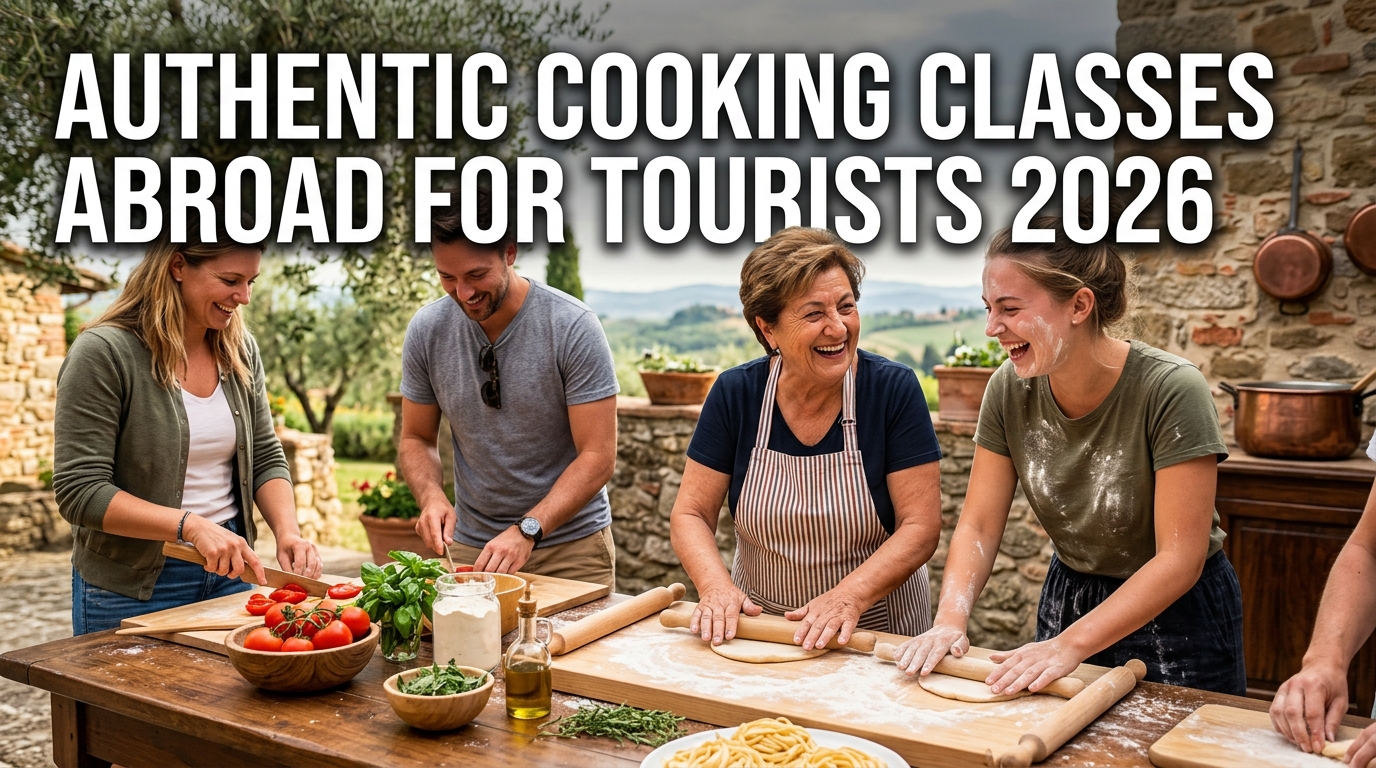
Authentic Cooking Classes Abroad for Tourists
The first cooking class that I ever booked travelling was very pretty to write about. Small group. “Traditional recipes.” A local instructor. There was a pristine studio kitchen in the tourist area, a laminated recipe card and pre weighed ingredients in little white ramekins.
I made pad thai. Sort of. Most was stirred by the instructor. We ate. Everyone clapped.
I had to spend $65 on that.
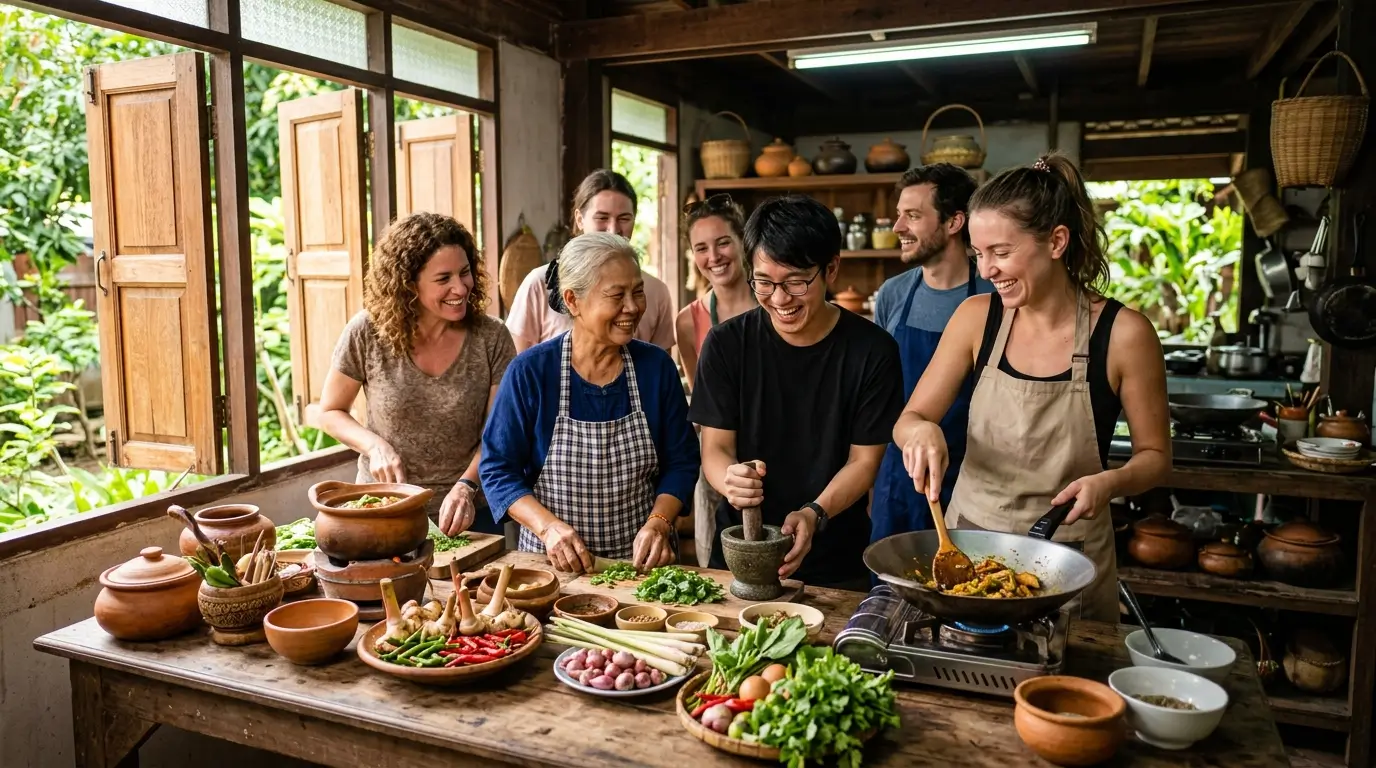
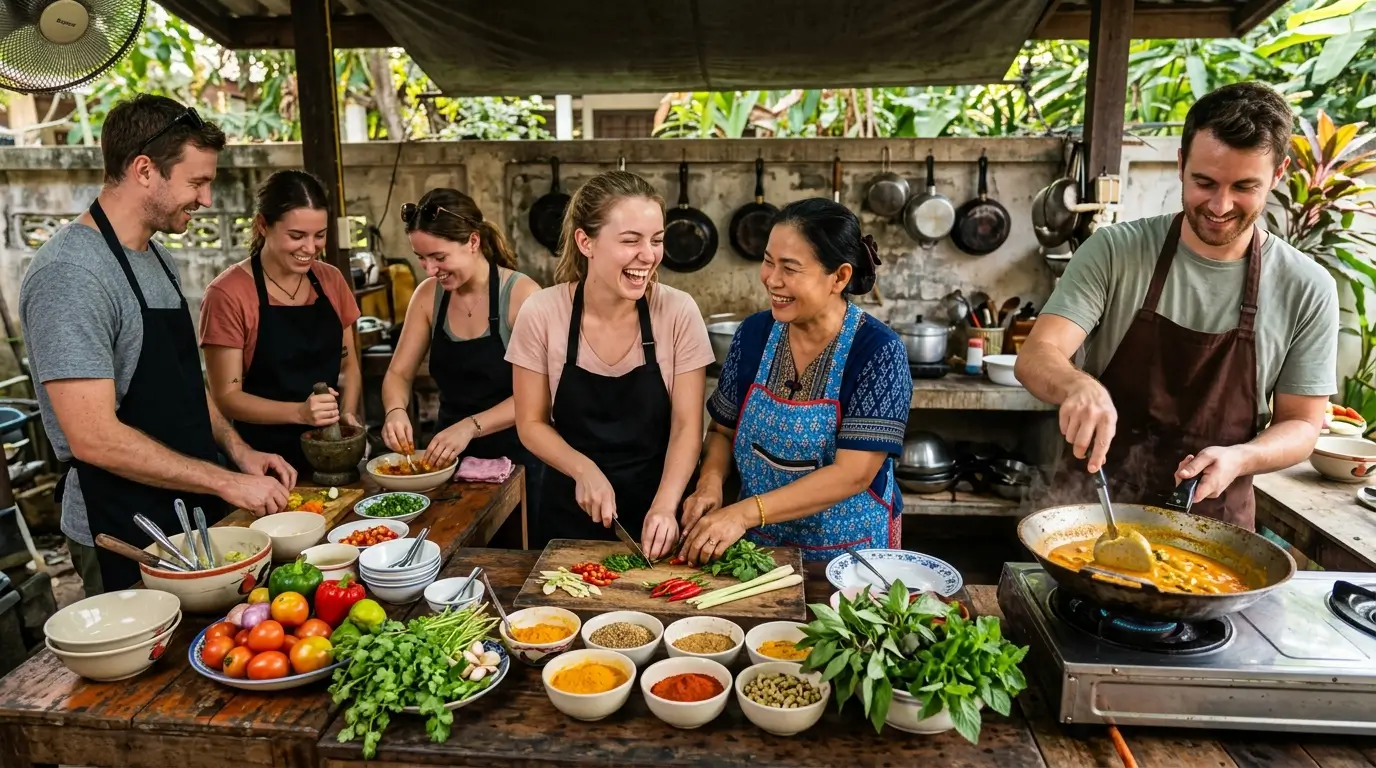
The second class I did, which was a morning market class, taught directly by a woman called Pen, in Chiang Mai, for $28, changed my approach to cooking completely. She had a holy basil stall that we purchased from for the past nine years. She told why she uses fish sauce (salt) instead of salt. We then made four dishes and ate on her back porch.
These are the two experiences that this guide is all about!
What “Authentic” Actually Means Here
Actually, an authentic cooking class abroad is one which is provided by a local person, which is certainly a person who actually cooks this food in their every day life, and a person who teaches you conventional recipes making use of local ingredients in a real environment. That’s it.
Don’t get caught up in the aesthetics of the kitchen. It’s not about the number of five-star reviews it displays. A class can have 4.9 stars and still serve you pre-prepared ingredients in a studio which may be anywhere on earth.
Authentic means: the food is regional, the instructor knows this cuisine and you are left with a real understanding of the why and how of making this dish.
Also Read: Vegetarian Travel Destinations and Restaurants 2026
Why Tourists Get This Wrong
All the booking platforms, like Cookly, GetYourGuide, Viator and Airbnb Experiences work. They’re listing tools, though, not curation tools. They don’t inform you of which classes are legit and which are geared towards tourists, not local cuisine.
Often, the platform reviews basically sound like “So fun! Great experience! Would recommend!” That’s not an indication of how much you learned in reality.
Often it is the operators who have the greatest marketing budget who are ranked highest, not those who have the greatest cultural knowledge.
Therefore, you should be aware of what you should look for before clicking “book.”
The Fastest Way to Spot a Genuine Class
When booking any class, ask yourself the following 5 questions:
- Are the teacher’s name and description provided? A true class is the name given to the person who is instructing the class. If there’s no bio listed, it’s a bad sign.
- Is the menu for food from one region, not one country? If this class is going to be two hours of pizza, pasta and tiramisu, it has to be very broad and shallow.
- Do there are any reviews showing specific dishes, the instructor’s name or what was learned? Any review that is simply “amazing experience” and provides no detail is a surface level review.
- Does it involve visiting the market, farm visit or a source of ingredients? The best classes begin BEFORE the kitchen.
- Do the group size have a maximum and is it written down? If it is not stated in the listing, inquire if it is OK to add 8 or 10. This is a cooking show, not a class.
Lastly, if the price is less than $15 anywhere in Europe, it’s almost certainly not what it says it is.
Where to Go: Destinations by What They Offer
What you can enjoy in different destinations will be different. This is a true accounting.
Thailand (Chiang Mai, Bangkok)
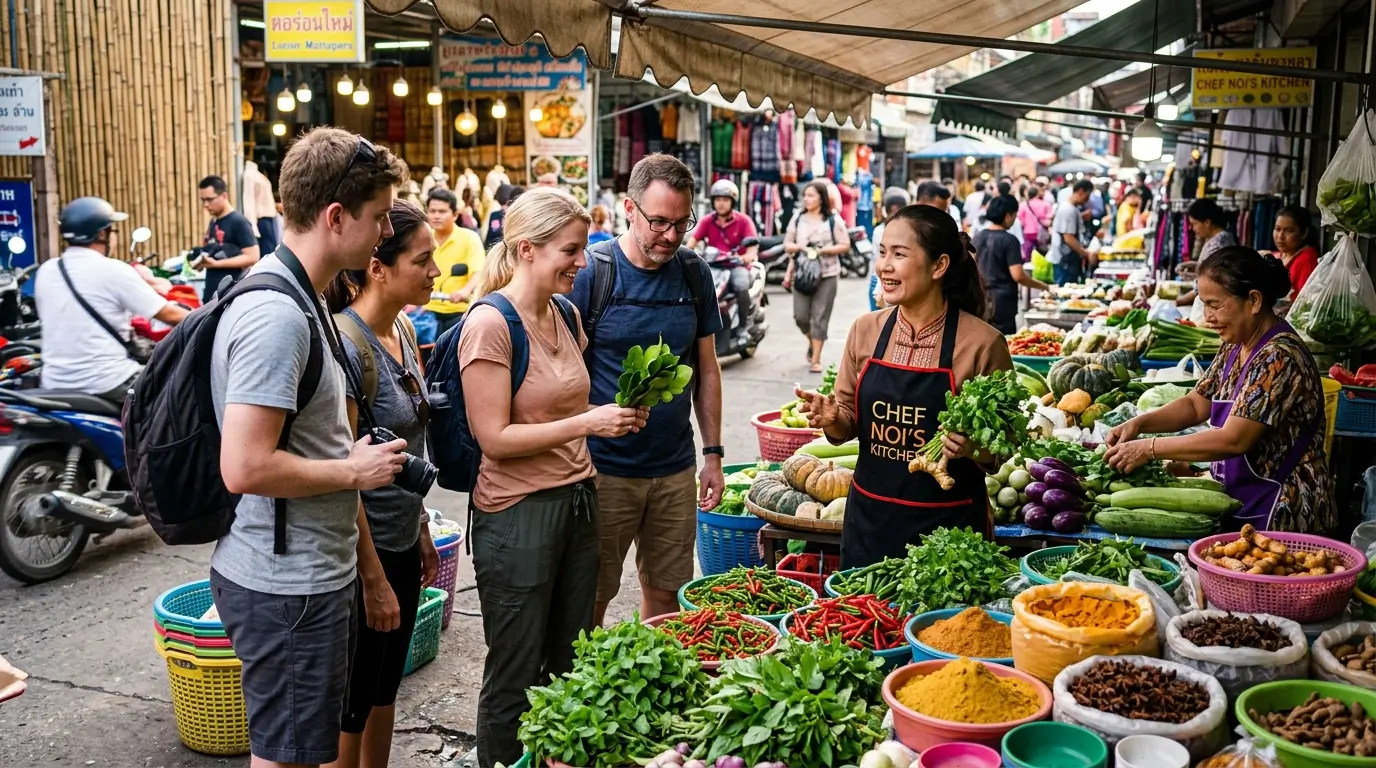
In fact the market class format for the morning market was almost created in Chiang Mai. At 8am together at a wet market to identify four different types of chilies that really count, Thai basil, galangal and kaffir lime leaves; then cook four dishes at the instructor’s home or school. Depending on the region, the food is either northern or northern central Thai. You can expect to pay $25 to $80 per person. Typically, the lower end will be the more authentic.
Vietnam (Hoi An, Hanoi)
Hoi An could be the world’s best worth cooking class place. Full day class (which includes a market visit and 5 dishes) will cost $25–$45. The teachers are typically someone who was not a culinary school graduate, but rather a home cook. Hanoi classes emphasize Northern cuisine which is sweeter than the Southern cuisine, and less known. Information that is important to know before you select.
Italy (Bologna, Florence, Tuscany)
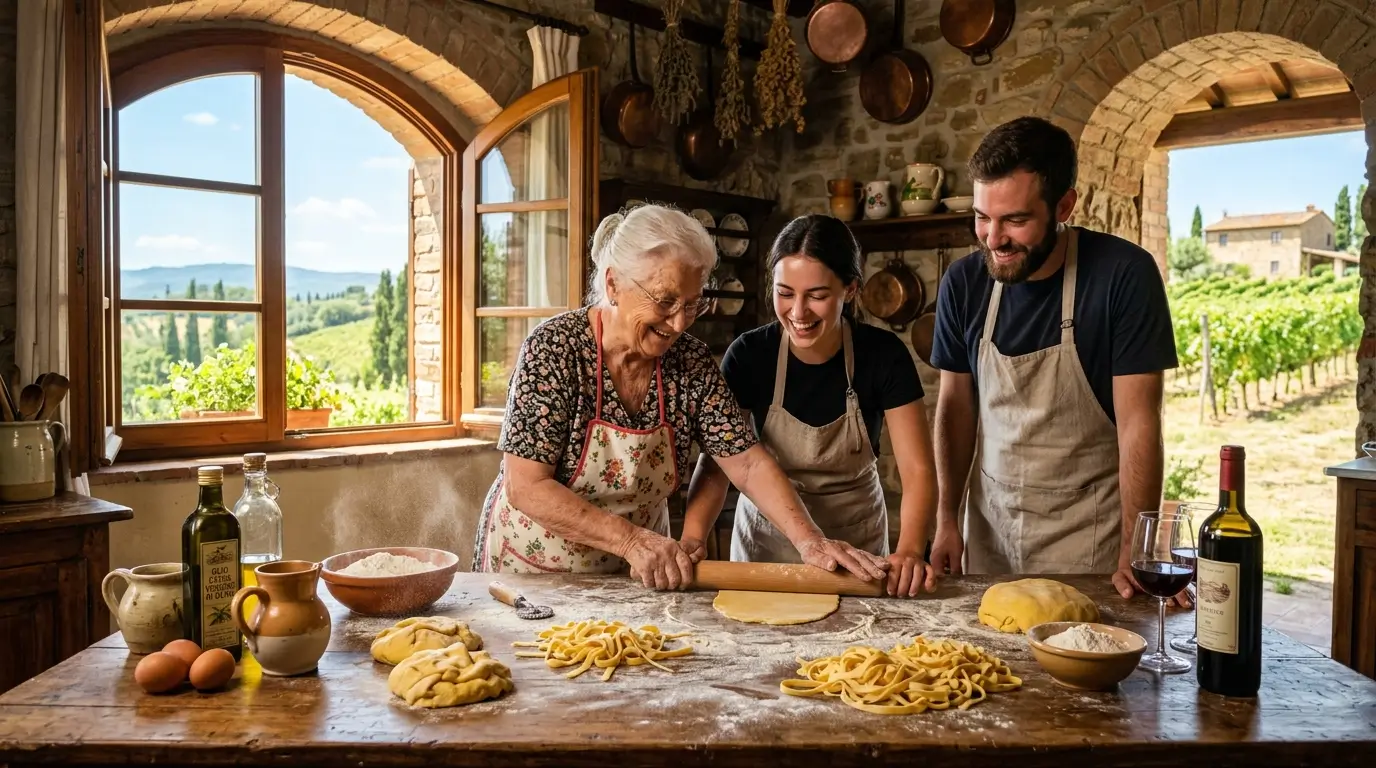
Italy is a difficult place to find a cooking class that’s not geared towards the tourist because there are a lot of them. Bologna has more to offer the serious foodie than Florence, the home of tagliatelle and ragù, and the teacher with the more subdued demeanor is mortadella. A real Italian-style nonna pasta class in the home kitchen costs from €70 to €120. Classes at Agriturismo in Tuscany which allow you to pick the ingredients before cooking them, are €80–€150 and are a worthwhile experience. Prior to walking in, steer clear of anything in a tourist-district spot with a branded apron.
Morocco (Marrakech, Fez)
It all begins at the spice market, where the best Moroccan lessons are offered. The experience of learning how to build ras el hanout — how to detect the difference between mace and nutmeg, between dried rose petals and dried rosebuds — before the tagine is touched is a new one compared to using ready-mixed spice packets. Riad-based classes run $50–$120. Smaller tourist operated and local family run Riads typically are more honest than the ones found at larger tourist hotels.
Japan (Tokyo, Kyoto)
Classes in Japan for cooking are more expensive. A very small group (up to 8 people) sushi making workshop in Tokyo costs $80–$150. The cost of a kaiseki class in Kyoto can exceed $200. The emphasis is on technique and it is a deep culture — there is a philosophy to Japanese cooking that the best teachers are able to impart as they cook. English may not be used fluently, but it is okay, because the food speaks for itself! Check to see if there is an indication of the class size and background of the instructor.
Also Read: Local Festivals Worth Traveling For Worldwide 2026
Mexico (Oaxaca, Mexico City)
To Italian cuisine, Oaxaca is what Bologna is to Italian cuisine. To know mole, to understand, to really know mole, go to Oaxaca — from the dried mulato chile to the grinding on the metate to the three-hour cook. Classes run $50–$130. The ones worth doing are a visit to a market where they can buy and sell mole at Mercado Benito Juárez, and learning how to prepare mole by hand, not watching a demo. Interesting but different, Mexico City classes are more modern and fusion oriented.
France (Paris, Lyon, Bordeaux)
There are Le Cordon Bleu short tourist courses (polished, expensive, very French) and small home cook sessions, run by Parisian residents, like Eatwith, to name a few. The Le Cordon Bleu experience is technically very good and costs €150–€300. Private cooking sessions with a home chef are more often more interesting and cost €80–€120, which is a smaller amount. But it is Lyon, not Paris, that is the true heart of French gastronomy — and it’s classes that are fewer, yet more serious.
India (Jaipur, Kochi, Delhi)
The range is quite extensive between Indian cooking classes and differences are significant. At a Rajasthani home cook class in Jaipur ($15–$40), you get to learn about dal baati churma, laal maas, and the regional spice wizardry of the desert. A $20–$50 Keralan class in Kochi offers fish curries made with coconuts and rice dishes that are completely different from their North Up counterparts. Taking a “generic” Indian cooking class is a mistake. Book by region.
Pricing by Destination
Budget = half day group class. Premium = full day private or small group with market visit. Generally, private lessons cost 30–50% more than lessons in a group.
Table 1: Asia & Americas
| Destination | Budget | Premium |
|---|---|---|
| India | $10 | $55 |
| Vietnam | $20 | $60 |
| Thailand | $25 | $80 |
| Morocco | $40 | $120 |
| Mexico | $45 | $130 |
| Peru | $50 | $150 |
| Japan | $70 | $250 |
Table 2: Europe
| Destination | Budget | Premium |
|---|---|---|
| Greece | €50 | €150 |
| Italy | €60 | €180 |
| France | €80 | €300 |
Class Formats: What Each One Actually Gets You
Home cooking class — Real home’s kitchen. Highest cultural authenticity. Usually 4–8 people. The teacher is usually a homemade chef, rather than a professional chef. Each recipe is a family recipe. Good for: Learning about real life eating habits.
Market-to-table class — A journey from a market to a kitchen. Cook before you source. Ideal for: knowing what is in foods and where it comes from. Widely available in Thailand, Vietnam, Morocco.
Farm or agriturismo class — You are at a working farm or agriturismo. You may collect herbs, press olive oil or pick something prior to cooking. Best for: knowledge of the food’s origins. The major destinations are Tuscany and Provence.
Culinary school class — Structured environment, technically oriented, professional setting. Various schools in Tokyo, Kyoto, Le Cordon Bleu in Parma. Best suited for: real-world transfer of skills. Less culturally immersive.
Private class — You and you and your group. The teacher modifies the contents of the curriculum. Ideal for: dietary restrictions, families and couples or serious learners. Is more expensive but if you have a special need, then it will be worth it.
Street food class — Smaller portions, less expensive, snack and everyday food. Ideal for: budget travelers or those with short time constraints.
How to Book (Without Regretting It)
- Begin on a platform to find out, don’t decide. Find names and operators via Airbnb Experiences, Cookly, or GetYourGuide. Wait to make a booking until step two.
- Type in the name of the teacher. A lot of authentic operators have their own website, Instagram page or Google Business profile. There are reviews on Google maps which cannot be filtered, it is quite honest to read reviews there rather than on platforms.
- Please email or message the operator prior to booking. Ask: what is the largest number of people that can form a group? Where do you get the ingredients from? What area of the menu is it about? It is a real operator who will answer these easily. A business setup will provide you with a sales presentation.
- Check the cancellation policy. You should get a full refund if you cancel 48 hours in advance. All major platforms have this enabled as standard. If it’s not available, continue searching.
- When possible book direct. There are many operators that pay 20–30% commission to platforms. Direct booking may be more cost efficient and offer you a more flexible, tailored experience. Locate them via the platform and make contact with them.
Red Flags to Walk Away From
- Measuring and packaging ingredients for you ahead of time
- Cooking from all over a country in a single class! One class and a whole nation’s food!
- In this scenario, there is no indication of how many people they are in a group
- No real-life named teacher was found
- A kitchen like the one you see in a touristy cooking show studio
- Reviews that do not refer to a specific aspect of what they were cooking or learning
- Recipe with no regional reference, “traditional recipes”
- A price below 15 Euros in Europe or less than 10 Euros in SE Asia and claims for the full day
What Actually Happens on the Day
A typical full day class is approximately as follows:
8:00–9:30am — Market visit. Instructor accompanies student to local wet market, spice market or farmer’s market. Here’s where real education begins. Pay attention here.
9:30–10:00am — Back at the kitchen. Introduction to equipment, a quick overview of the dishes, and the logic behind the menu.
10:00am–12:30pm — Hands-on cooking. You will work through three to six dishes. A good instructor explains why at every step, not just how.
12:30–2:00pm — You eat everything you made. Often with local wine, tea, or whatever the traditional pairing is.
2:00–2:30pm — Recipe handout, questions, and wrap-up.
Half-day classes cut the market visit and reduce the menu to two or three dishes. They can still be good, but you lose the sourcing context.
If You Have Dietary Restrictions
Tell the operator before you book, not on the day.
Most authentic cooking classes work with fish sauce, shellfish, gluten, nuts, and dairy as foundational ingredients — not optional additions. Serious operators can adapt. But they need notice.
Ask specifically: “Can you accommodate [your restriction] fully, or will some elements of the class not apply to me?” That direct question gets you a straight answer.
For Solo Travelers
A group cooking class is one of the easiest ways to meet people while traveling. You are working together, sharing a meal, and talking about food. It is social without being forced.
If you are anxious about showing up alone, most operators are used to solo bookings — in some destinations like Hoi An and Chiang Mai, solo travelers are the majority. You will not be the odd one out.
For Families With Children
Many destinations offer family-friendly cooking classes. Thailand, Italy, and Greece have particularly good options for children aged 6 and up. Specify when booking. Some classes are not appropriate for young children because of open flames or sharp equipment.
The Platforms Compared
| Platform | Best For |
|---|---|
| Airbnb Experiences | Widest selection; easiest refunds |
| Cookly | Specialist cooking focus; strong Asia listings |
| GetYourGuide | Good Europe coverage; fast customer support |
| Eatwith | Local home dining and cooking emphasis |
| Local Aromas | Curated home-cook classes; smaller operators |
| Direct booking | Cheapest; most flexible; highest authenticity odds |
None of these platforms verify authenticity the way their marketing implies. They verify operator reliability — cancellation rates, response times, safety — not cultural depth.
After You Get Home
Most people bring recipes home and never make them again. That’s a waste.
Try cooking the dishes within two weeks of returning. The techniques are still fresh. The ingredients you need are identifiable. After a month, the details blur.
If you cannot find a specific ingredient locally — galangal, fresh turmeric, real dried mulato chiles — most are available online. Finding a substitute is fine for some dishes. For others, the specific ingredient is the dish. Your instructor will usually tell you which is which.
FAQs
Is a cooking class abroad worth it for tourists?
Yes, if you choose carefully. A well-chosen class gives you a practical skill, a cultural experience, and a meal you made yourself. A poorly chosen one gives you a staged demonstration you forgot by dinner. The difference is almost entirely in how you book.
How do I know if a cooking class is authentic?
Look for a named local instructor cooking their own regional cuisine, small group sizes (under 12), ingredient sourcing explained on the day, and reviews that name specific dishes or moments rather than just rating the experience as “amazing.”
Do I need cooking experience?
No. Almost every tourist-facing cooking class is designed for complete beginners. Mention your level when you book so the instructor can calibrate, but you do not need to know anything before you walk in.
What should I wear to a cooking class abroad?
Comfortable clothes you do not mind getting stained. Closed-toe shoes — kitchen safety, not a suggestion. Most classes provide an apron. Avoid anything with loose sleeves if there is open flame cooking.
Can children take cooking classes abroad?
Yes, in many destinations. Thailand, Italy, and Greece have solid family options. Specify the children’s ages when booking — some classes have minimum age requirements for safety reasons.
Is Airbnb Experiences good for cooking classes?
It depends. Airbnb’s platform hosts a wide range of quality. Some of the best cooking class experiences available globally are listed there. Some of the most staged ones are too. Use it to discover operators, then verify them independently before booking.
What is the difference between a cooking class and a food tour?
A food tour involves eating at multiple locations — restaurants, street stalls, markets — with a guide explaining food culture along the way. A cooking class involves making the food yourself. They serve different purposes. A food tour is better for breadth; a cooking class is better for depth and skill.
How far in advance should I book a cooking class abroad?
For popular destinations like Chiang Mai, Hoi An, and Florence, book at least 3–7 days ahead — some small operators have very limited capacity and fill quickly. For private classes, book 1–2 weeks ahead. For the same-day impulse decision, you can sometimes find spots, but availability is limited.